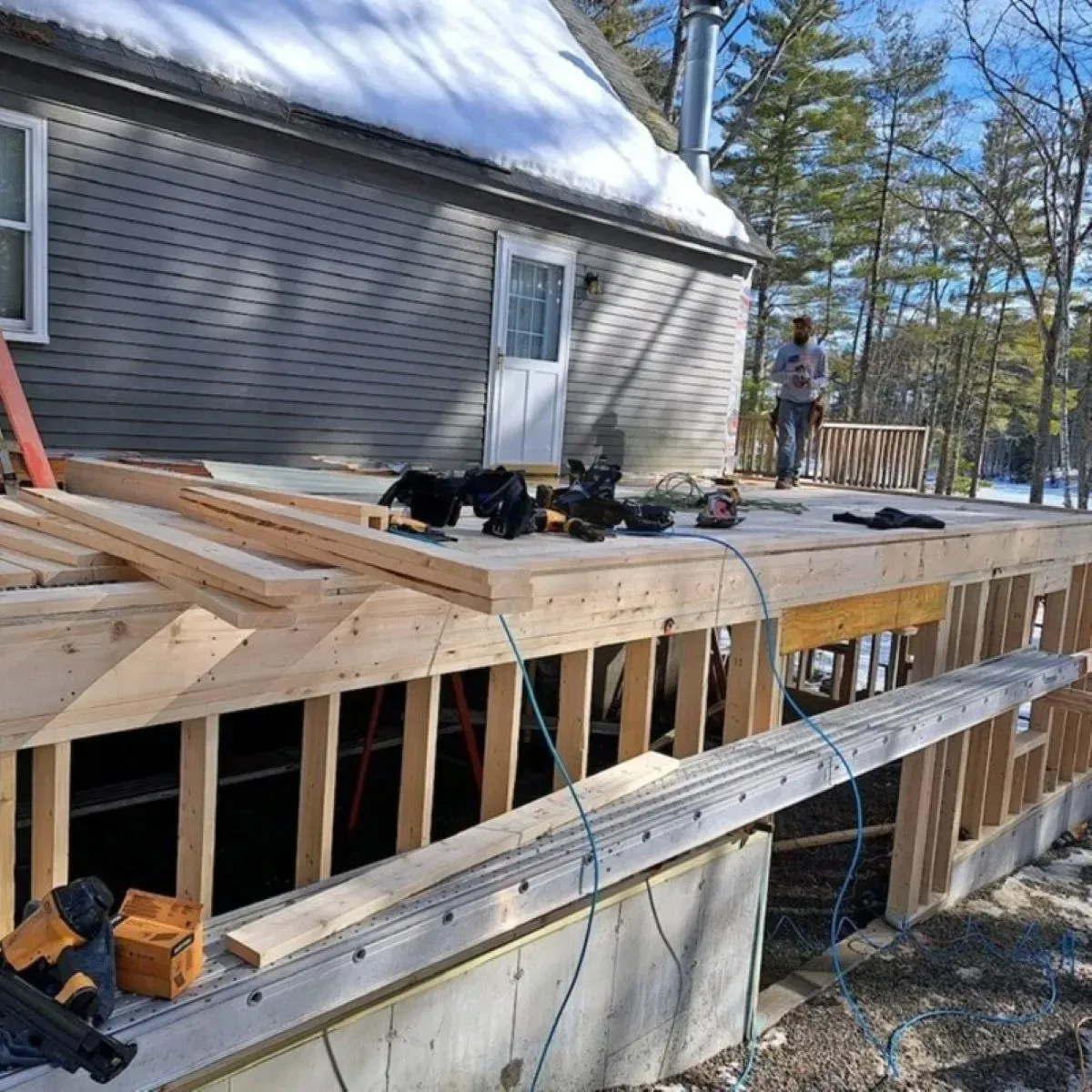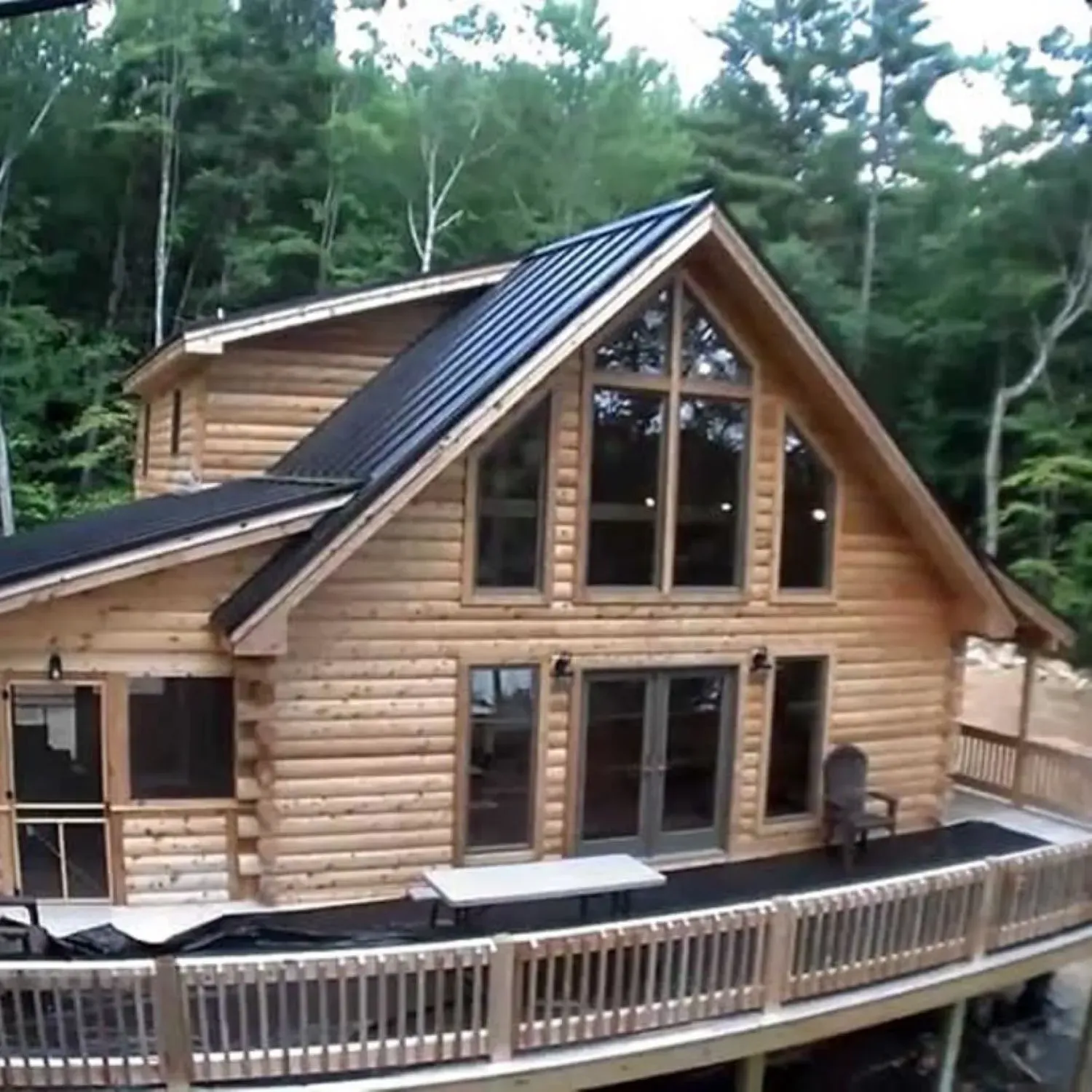

Fall Deck & Porch Checklist: Getting Your Maine Outdoor Space Ready for Winter
A little attention in October saves you from rot, ice damage, and a full rebuild come spring
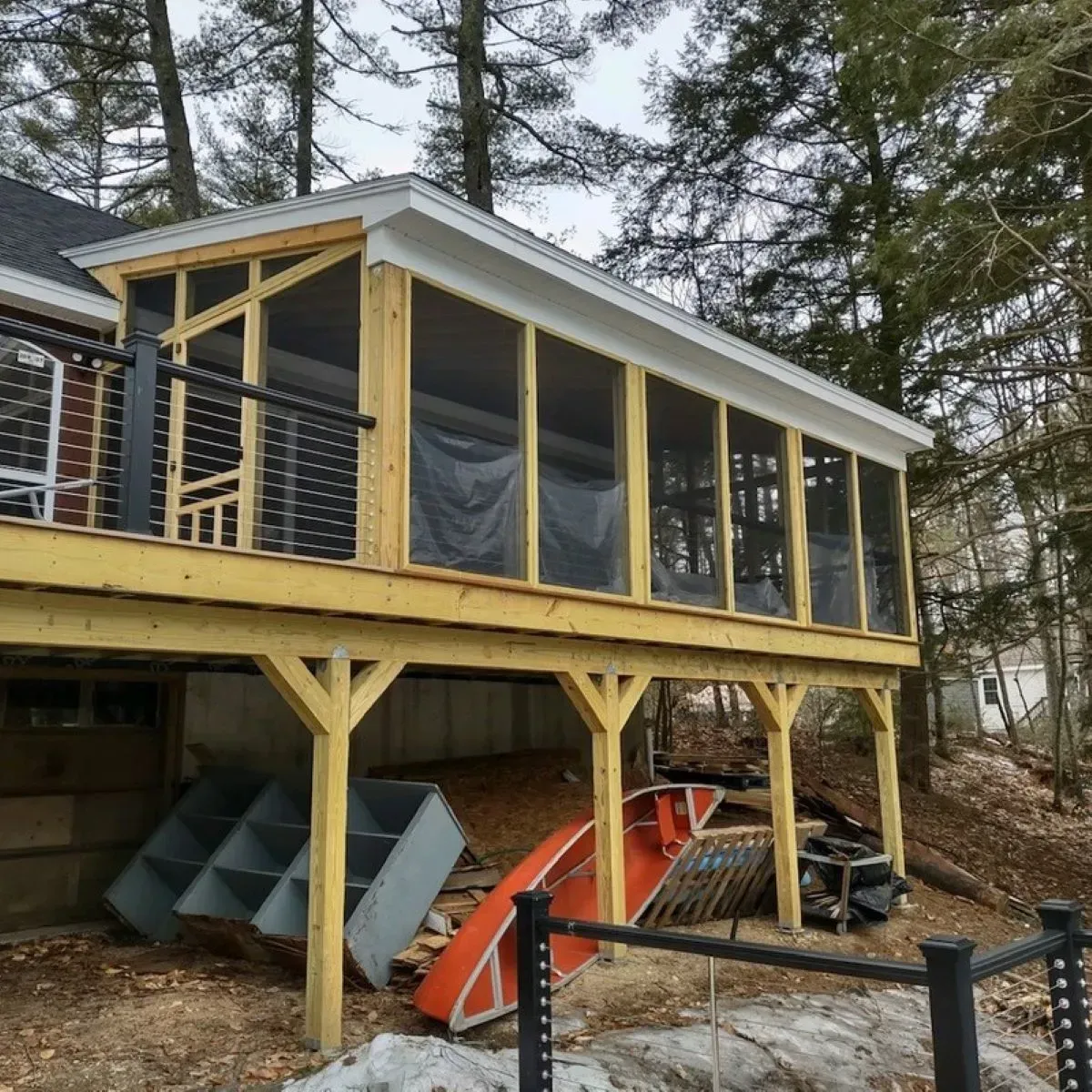
Maine winters are hard on everything outdoors, and decks and porches take more punishment than most homeowners realize. Snow load, freeze-thaw cycles, and months of moisture sitting against wood and fasteners can turn small, ignorable issues into structural ones by spring. The good news is that most of what a deck or porch needs to survive winter well takes an afternoon in October, not a major project.
Here's what we recommend walking through before the first hard frost.
1. Clean and Inspect Before You Seal Anything
Start by clearing off furniture, planters, rugs, and debris, then sweep the deck or porch floor completely — leaves and pine needles trap moisture against the boards and accelerate rot if left over winter. While it's clear, walk the whole structure and look for:
- Soft or spongy spots in decking boards
- Popped, rusted, or missing fasteners
- Cracks or splitting where boards meet the ledger board (the board that attaches the deck to your house)
- Gaps or separation where the deck or porch roof meets the house
Anything soft to the touch or visibly rotted now will only get worse under snow load — that's a repair to schedule before winter, not after.
2. Check the Ledger Board and Flashing
The ledger board is the single most important connection point on most decks, and it's also the part most likely to fail quietly. Water that gets behind the flashing where the deck meets the house can rot the ledger board from the inside for years before it becomes visible — and a compromised ledger board is a safety issue, not just a cosmetic one. If you see water staining on the siding above or below where the deck attaches, or the flashing looks bent, gapped, or missing, have a contractor take a look before winter, not after.
3. Seal or Stain Before the First Hard Frost
Wood sealant and stain need temperatures consistently above roughly 50°F to cure properly, which in most of Southern Maine means your realistic window closes sometime in October. Sealing now protects wood fibers from the freeze-thaw cycling that causes boards to crack and gray over winter. If your deck hasn't been sealed in two or more years, this is the year to do it — skipping it means the wood goes into winter with no protection at all.
4. Clear Gutters and Drainage Near the Deck or Porch
Decks and porches built close to the house are often affected more than anything else by gutter overflow and poor drainage. Before winter:
- Clear gutters and downspouts near the structure so overflow doesn't dump directly onto or under the deck
- Make sure the ground slopes away from porch foundations and deck footings, not toward them
- Clear leaves and debris from under the deck where moisture and animals tend to collect unnoticed
5. Know When It's a Repair — and When It's a Rebuild
A deck or porch that's fundamentally sound just needs seasonal maintenance. But if you're seeing multiple soft boards, a ledger board with real rot, footings that have shifted, or a structure that's simply reached the end of its serviceable life, patching it every fall stops making sense. That's usually also the point where homeowners start asking about converting an open deck or three-season porch into a fully enclosed, four-season room — which is a bigger project, but one that removes winter maintenance from the equation entirely going forward.
If you're not sure which category your deck or porch falls into, that's exactly the kind of walkthrough we do as part of a fall inspection. You can see the kind of work we do on our Decks & Porches page, including repairs, rebuilds, and four-season conversions.
FAQ
How late in the fall can I stain or seal a deck in Maine? Most sealants and stains need sustained temperatures above about 50°F to cure correctly, which typically means finishing this work by mid-to-late October in Southern Maine, weather permitting.
Do I need to cover my deck or porch furniture for winter? Storing cushions, rugs, and anything absorbent is worth doing regardless. Furniture itself depends on the material, but clearing the deck surface fully makes it much easier to inspect and maintain.
How do I know if my ledger board is rotted? Look for water staining on the siding near the attachment point, soft or spongy wood when you press it with a screwdriver, or visible gaps in the flashing. If you see any of these, it's worth having it inspected before winter rather than waiting.
Is it worth enclosing a porch instead of maintaining it every year? If a porch is in reasonably good structural shape, a four-season conversion can make sense both for usable living space and for reducing the ongoing exposure that causes seasonal wear in the first place. It's a bigger upfront project but changes the maintenance picture going forward.
Get a Fall Deck or Porch Inspection Before the Snow Flies
If it's been a few years since your deck or porch has had a real look-over, October is the month to get ahead of it. Contact Kev and Sons Construction to schedule a fall inspection—we'll tell you honestly whether you need simple maintenance, a repair, or a rebuild or enclosure.